A good budget fly‑fishing outfit balances performance, durability, and simplicity so you spend less time fussing with gear and more time on the water. Below is a compact comparison of the four core elements—rod, reel, vest, and accessories—followed by practical guidance for choosing each piece and assembling a reliable, inexpensive kit.
| Item | Key attributes to prioritize | Typical budget range | Why it matters |
| Rod | action (fast/medium), length/weight match to target fish | $100–$300 | Proper action and weight make casting easier and reduce frustration. |
| Reel | smooth drag, correct arbor size, corrosion resistance | $50–$200 | A good drag protects the tippet and the fish; match the reel size to the rod weight. |
| Vest / pack | comfortable fit, organized pockets, durable material | $40–$150 | Keeps flies, leaders, and tools accessible without bulk. |
| Accessories | line, leader, tippet, nippers, floatant, box of flies | $30–$100 | Small items determine how fishable your outfit actually is. |
Rod: the backbone of the outfit
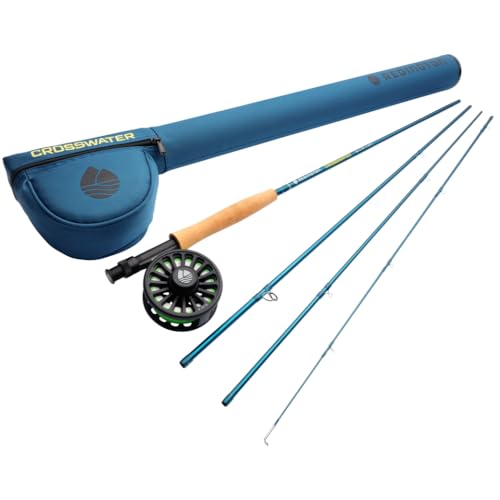
Choose a rod that matches the water and species you’ll fish for most. For most freshwater trout and general-purpose use, a 9‑foot, 5‑weight rod is the classic, forgiving choice. Look for a medium‑fast action blank that loads well on short and long casts; very fast rods are less forgiving for beginners. On the budget side, many reputable combos and entry rods fall in the $100–$300 range and offer surprisingly good performance for the price. Buying a rod as part of a matched outfit (rod, reel, and line) can save money and ensure compatibility.
Practical tip: If you fish small streams, consider a shorter rod (7½–8½ ft) for tighter casts; for bigger rivers or windy conditions, a 6‑weight or 7‑weight gives more punch.
Reel: match, then simplify
An inexpensive reel should have a reliable drag, an appropriate arbor size (larger arbor for faster line retrieval), and corrosion resistance if you’ll fish near saltwater. You don’t need a high‑end machined reel to land trout; many entry‑level reels paired with a decent drag system perform well. When buying a combo, ensure the reel balances the rod—too heavy a reel ruins the feel. Expect to spend roughly $50–$200 for a solid budget reel; many outfit combos bundle a suitable reel with the rod and line.
Practical tip: Prioritize a smooth drag over fancy finishes. A sticky drag is the single most common failure point on cheap reels.
Vest or pack: organization over fashion
A vest or small sling pack should let you carry flies, leaders, tippet, floatant, and tools without getting in the way. Look for adjustable straps, multiple pockets, and a sturdy fly patch or foam for dries. Packs and vests in the $40–$150 range cover most needs; entry models are lightweight and durable enough for casual anglers. If you prefer mobility, a chest pack or sling bag can be more comfortable than a full vest.
Practical tip: Test fit with the clothing and waders you’ll wear—pockets that ride too low or straps that chafe will ruin a day on the water.
Key accessories that make the outfit fishable
Small items determine whether your outfit is usable the first time you step into the river. Prioritize these essentials:
- Fly line, leader, and tippet — matched to rod weight and fishing style.
- Box of flies — a small, well‑chosen selection of dries, nymphs, and a streamer.
- Nippers and forceps — for cutting tippet and removing hooks.
- Floatant and split shot — for keeping dries buoyant and weighting nymphs.
- Polarized sunglasses and hat — safety and sight‑fishing advantage.
- Spare leader/tippet spools and a small repair kit — quick fixes keep you fishing.
Budget for $30–$100 to stock these items; they’re small investments that pay off immediately.
How to buy smart and save money
- Buy a matched combo when starting—rod, reel, and line sold together reduce guesswork and often cost less than buying pieces separately. Retailers list many combos in the $250–$500 band.
- Prioritize function over brand cachet. Many mid‑range brands make excellent beginner kits.
- Look for seasonal sales and last‑year models. Outfits are refreshed annually; previous models are often discounted heavily.
- Buy the best line you can afford. A good fly line improves casting more than an expensive rod.
Final takeaway
A good, inexpensive fly‑fishing outfit is balanced: a forgiving rod, a reliable reel with a smooth drag, a comfortable vest or pack, and a handful of well‑chosen accessories. Spend where it matters—rod action and fly line quality—and save on cosmetics and brand premiums. Balance is the single most important element.