Choosing between monofilament and fluorocarbon line for inshore redfish isn’t just a matter of preference. It comes down to water clarity, lure choice, and how much oyster shell you expect to rub against. If you fish coastal marshes, you already know oysters are everywhere – and they destroy weak leader material fast. Here’s how to pick the right line for the conditions.
When Fluorocarbon Is the Better Choice
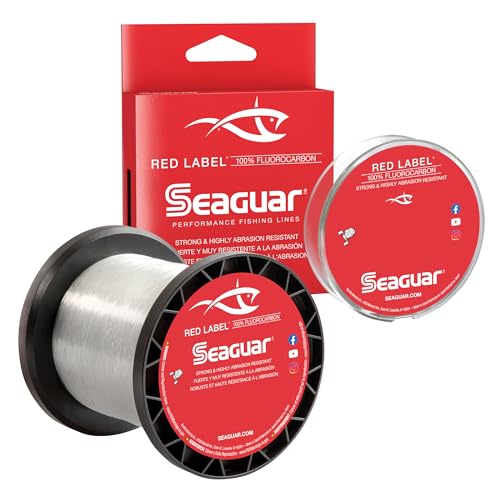
Fluorocarbon is the workhorse leader for most redfish anglers because it’s harder to see, more abrasion‑resistant, and more sensitive.
Key advantages:
Low visibility: Fluorocarbon blends into the water better than mono, which helps when sight‑fishing or dealing with picky fish.
Abrasion resistance: Fluoro stands up to oyster bars, shell banks, rocks, and dock pilings far better than mono of the same diameter.
Sensitivity: With less stretch, fluoro transmits subtle taps when working soft plastics or paddle tails.
Sinking properties: Fluoro sinks, helping subsurface lures run naturally.
Best situations for fluorocarbon:
Clear water and sight‑fishing
Fishing around oyster bars or shell banks
Soft plastics, jerkbaits, and paddle tails
Pressured or spooky redfish
When Monofilament Makes More Sense
Mono still has a place in your tackle bag. It floats, absorbs shock, and ties easily, all useful traits depending on your lure choice.
Key advantages:
Floats: Mono keeps topwater lures working correctly. Fluoro sinks just enough to drag the nose of a walking bait.
Shock absorption: Mono’s stretch helps prevent pulled hooks during explosive strikes.
Cost‑effective: Great for murky water where visibility isn’t a factor.
Easy knot tying: Mono seats knots cleanly, especially when re‑tying often.
Best situations for monofilament:
Topwater fishing over grass flats
Murky or tannic water
Situations where softer fights help keep hooks pinned
Abrasion Resistance Against Oysters
Oysters are the deciding factor for many inshore anglers. Their edges are razor‑sharp, and redfish love to bulldoze straight into them during a fight. Fluorocarbon’s hardness and abrasion resistance make it the safer choice when fishing around oyster bars.
Mono can work, but it nicks faster and fails more easily under pressure once damaged. If you’re fishing marsh drains, shell banks, or any oyster‑rich area, fluorocarbon dramatically reduces break‑offs.
Practical Leader Recommendations
Fluorocarbon: 15-20 lb for most soft plastics and subsurface lures
Monofilament: 12-20 lb for topwater presentations
Heavy oysters: 20-25 lb fluorocarbon
Murky water: Mono is fine unless you’re tight to shell
Quick Decision Table
If oysters are in play, and they usually are for inshore redfish, fluorocarbon is the safer, more reliable leader. Mono still shines for topwater and low‑visibility conditions, but fluoro gives you the best shot at landing fish when the fight gets close to shell.