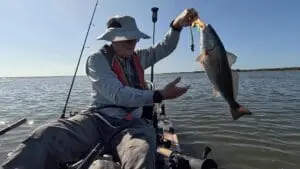
Switching from freshwater to inshore saltwater fly fishing is like stepping into a new language that uses many of the same words. The fundamentals, presentation, reading water, matching prey, remain, but the gear, rigging, and casting habits shift to handle bigger fish, corrosive water, wind, and longer, more forceful fights. This guide explains what changes and how to adapt, with clear, actionable tips for your first flats or estuary trip.
Quick comparison table , what changes at a glance
| Aspect | Freshwater (typical) | Inshore Saltwater |
| Rod weight | 3–6 wt | 7–10 wt |
| Reel | Light, small-arbor | Sealed drag, larger arbor, corrosion-resistant |
| Backing | 20–50 yd | 100–300 yd (braid) |
| Fly line | Floating; lighter tapers | Floating, intermediate, or sinking tips; heavier tapers |
| Leader/tippet | 7–12 lb test | 20–60 lb shock tippet; tapered leaders 9–12 ft |
| Flies | Small streamers, dry flies | Poppers, deceivers, shrimp, baitfish patterns, larger sizes |
| Corrosion care | Basic rinsing | Rinse immediately; anti-corrosion maintenance |
| Casting demands | Shorter, delicate casts | Longer casts, wind, heavy flies, single-handed power |
| Hooking/playing fish | Strip-set or lift | Strip-set; strong drag, controlled runs |
| Boat/shore tactics | Wading/boat | Poling, sight-fishing from flats, blind casting in current |
Gear what to change and why
Rods
Move up in weight. Freshwater trout and bass rods (3–6 wt) are nimble for small flies and delicate presentations. Inshore species,redfish, snook, seatrout, small tarpon,need 7–10 wt rods. A 7–8 wt is versatile for most inshore work; 9–10 wt for larger targets or heavy wind. Fast-action rods help load quickly for long casts and to control runs. Lengths 8’6″–9’0″ are common for single-handed inshore rods.
Reels and drag
Saltwater-rated reels with sealed drag are essential. Saltwater fish make long runs; you need reliable, smooth drag and plenty of backing capacity (100–300 yd of braided backing). Large arbor reels retrieve backing faster and reduce line memory.
Lines and backing
Heavier fly lines with aggressive tapers help turn over big flies and heavy leaders in wind. For sight fishing on flats, a floating line with a weight-forward taper is common. Sinking tips or intermediate lines are used when fishing deeper grass edges or channels. Use braided backing and load the reel with much more than you would for freshwater.
Leaders and tippet
Long, tapered leaders (7–12 ft) help with stealth on flats. The critical change is shock tippet: a short section of heavy monofilament or fluorocarbon (20–60 lb) between leader butt and tippet to absorb sudden runs and protect lighter tippet. Fluorocarbon is popular for abrasion resistance and low visibility, but heavier mono shock tippets are common for toothy or abrasive environments.
Flies and terminal tackle
Bigger, more robust flies: shrimp, baitfish patterns, deceivers, and bulky poppers. Hooks are larger and stronger; many saltwater flies use chemically sharpened, corrosion-resistant hooks. Use wire or heavy leaders for toothy species when needed.
Footwear clothing and accessories
Polarized sunglasses are indispensable for sight fishing on flats. Wear lightweight, sun-protective clothing, a good hat, and carry a quality landing tool or long-handled net. Bring a corrosion care kit: freshwater rinse, reel oil, and anti-corrosion spray.
Rigging and knots small changes big impact
Use nail knots or loop-to-loop for attaching fly line to backing/leader; ensure knots are clean and strong. Use a shock tippet splice or blood knot to join heavy shock tippet to lighter leader; use knots rated for the materials. A surgeon’s loop at the leader tip makes quick fly changes easier and gives better fly action on larger patterns. Heavier leaders and shock tippets prevent break-offs during explosive runs and when fish head for structure.
Casting technique adapt for distance wind and heavy flies
Power and stroke
Longer, more powerful casts are common. Inshore fishing often requires 40–60+ foot casts to reach cruising fish or to get over wind chop. That means a longer backcast and a stronger forward stroke than most freshwater presentations. Load the rod by using the butt section; accelerate smoothly and stop decisively to turn over heavy lines and flies.
Line control and false casts
Use fewer, more deliberate false casts. Each false cast risks spooking sighted fish. Practice turning over heavy flies in one or two efficient casts. Mend on the cast when fishing current or drifting boats to control drift and presentation.
Casting into wind
Use a lower trajectory and stronger acceleration. Wind demands a flatter loop and more power. Use a heavier line or a shorter casting stroke to keep the loop tight. Sidearm or roll casts are useful when overhead room is limited or when you need a low, controlled presentation.
Presentation for sight fishing
Short, accurate casts beat distance when sight fishing to a cruising fish. Cast slightly ahead of the fish’s path and let the fly swing or sit naturally. Pause after the cast to let the fly settle; many inshore fish will inspect before committing.
Fighting fish different mindset and technique
Let the reel work. Saltwater fish make long, powerful runs; use your reel’s drag rather than trying to muscle the fish in. Keep pressure, but avoid sudden jerks. Use the rod to absorb head shakes and runs; a steady, patient approach wins. Be ready for structure,fish will run to mangroves, oyster beds, or grass; steer them away early and use boat or poling help when possible.
Maintenance and corrosion prevention
Rinse everything in fresh water immediately after exposure to salt. Salt crystals accelerate corrosion and ruin drag systems. Disassemble reels periodically for cleaning and lubrication; use corrosion-inhibiting products on metal parts. Store gear dry and ventilated. Replace hooks and split rings that show corrosion.
Practical checklist for your first inshore trip
- Rod: 7–8 wt single-handed, fast action.
- Reel: Saltwater reel with sealed drag, large arbor, 150–300 yd backing.
- Line: Floating WF with heavier taper; bring an intermediate or sinking tip.
- Leaders: 9–12 ft tapered leaders; 20–40 lb shock tippet.
- Flies: Shrimp, baitfish, deceivers, small poppers; extra hooks.
- Accessories: Polarized sunglasses, long-handled net, pliers, fresh water for rinsing.
- Practice: 30–60 minutes of casting heavy lines into wind before you go.
Drills to practice before you go
- Turnover drill: Cast 40–50 ft with a heavy fly; focus on smooth acceleration and a crisp stop to turn over the fly.
- Wind drill: Practice low, tight loops and sidearm casts into a steady breeze.
- Accuracy drill: Place targets at 30–50 ft and practice single-cast accuracy to simulate sight-casting to cruising fish.
- Strip-set timing: Practice strip-sets on land to get the feel of hooking larger, tougher fish without relying on a delicate lift.
Final tips and mindset
Be patient and observant. Flats fishing rewards reading water, bird activity, and subtle signs of baitfish. Respect the environment,inhore habitats are fragile; avoid trampling grass beds and follow local regulations. Start conservative: use heavier leaders and more backing than you think you need; you can always downsize as you gain confidence.