If you keep fish for the table, one decision matters more than most anglers realize: Do you harvest the fish immediately, or keep it alive in a net or on a stringer?
For species like red drum, especially around 24 inches, the answer is clear and backed by both science and real‑world experience:
Immediate harvest, bleeding, and icing produce the best meat quality—firmer texture, cleaner flavor, and longer shelf life.
Why Immediate Harvest Improves Fish Quality
When a fish is caught, its body enters a high‑stress state. Whether it’s in a keep net, on a stringer, or swimming in shallow water, three biological processes begin degrading the meat.
1. Stress Hormones Increase (Cortisol & Adrenaline)
These hormones surge as the fish struggles. Elevated stress levels cause:
- Softer, less firm fillets
- Stronger “fishy” flavors
- Faster spoilage
2. Lactic Acid Builds Up
A fish fighting confinement burns energy rapidly. This produces lactic acid, which:
- Lowers muscle pH too quickly
- Causes mushy or watery flesh
- Reduces storage life
3. Warm Water Accelerates Breakdown
Inshore waters in North Carolina often reach 75–85°F.
Warm water speeds up:
- Bacterial growth
- Enzyme activity
- Internal tissue breakdown
Even if the fish is alive, the quality is already slipping.
Why large Redfish Are Especially Sensitive
Red drum are powerful, high‑endurance fighters. A 24-inch fish has:
- Dense muscle mass
- Thick, blood‑rich gill arches
- A strong circulatory system
When held alive:
- Blood begins pooling in the muscle
- Glycogen stores burn rapidly
- Flesh softens
- Flavor becomes stronger and less clean
This is why many anglers notice that redfish kept alive for long periods taste “muddy” or “soft.”
Stringer vs. Keep Net vs. Immediate Harvest
Stringer
- Highest stress
- Jaw or gill damage
- Constant struggling
- Worst meat quality
Keep Net
- Better than a stringer
- Fish stays upright and submerged
- Still stressed, especially in warm water
- Meat quality still declines over time
Immediate Harvest (Best Method)
- Stops stress instantly
- Preserves muscle glycogen
- Prevents lactic acid overload
- Produces firmer, cleaner-tasting fillets
This is why commercial fisheries and charter captains dispatch and ice fish immediately.
How to Harvest a Redfish for Premium Fillets
Follow this sequence for the best results:
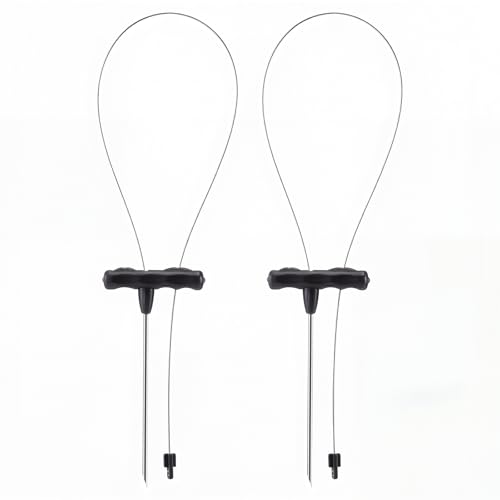
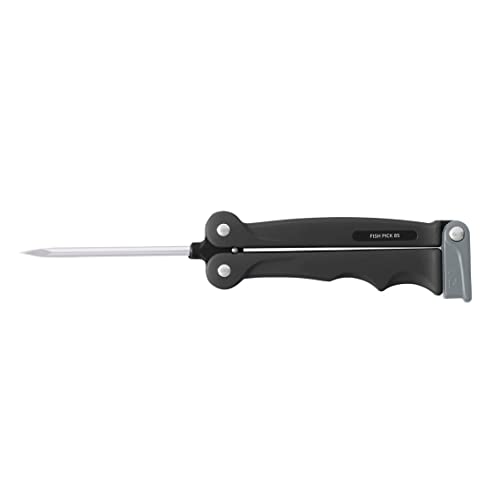
1. Dispatch Humanely
- Use a quick brain spike (ikejime) or a firm strike to the head.
2. Bleed Immediately
- Cut the gills or make a shallow throat cut.
- Let the fish bleed for 1–2 minutes.
3. Ice Immediately
- Use an ice-and-seawater slurry.
- Cold brine chills the fish faster than ice alone.
This method:
- Firms the flesh
- Removes blood that causes off-flavors
- Keeps fillets white and clean
- Extends shelf life
When It’s Acceptable to Hold Fish Alive
A keep net is fine when:
- You’re deciding whether to release or harvest
- Water is cool and oxygenated
- You’re holding hardy species (catfish, bluegill)
- You’re only keeping fish briefly
But even then, immediate harvest still produces better meat.
Final Thoughts
If your goal is the best possible fillets—especially from a large redfish—there’s no comparison:
Harvest immediately, bleed immediately, ice immediately.
A keep net is a humane upgrade from a stringer, but it’s still a compromise. Immediate harvest is the gold standard for flavor, texture, and food quality.