What They Are and Why They Happen
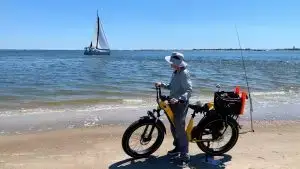
Beach riding is one of the best ways to enjoy a fat‑tire bike or e‑bike. Soft sand, ocean views, and wide-open space make for an incredible ride. But beach terrain also forces you to run with much lower tire pressure than you would on pavement. That low pressure is perfect for flotation on sand—but the moment you transition onto harder surfaces like sidewalks, boardwalks, or parking lots, you’re suddenly at high risk for pinch flats.
A pinch flat can end a perfect beach session in an instant. The good news: with the right pressure habits—and the right pump—you can avoid them entirely.
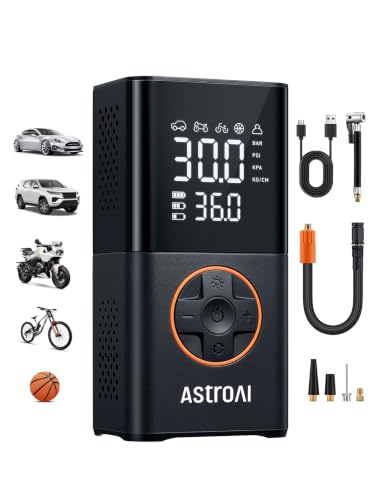
This post explains what pinch flats are, why beach riders are especially vulnerable, and how a compact inflator like the OUTZAC Jet Mini Bike Pump makes prevention fast, easy, and realistic for everyday rides.
What Exactly Is a Pinch Flat?
A pinch flat happens when your tire compresses so much that the inner tube gets trapped between the rim and whatever you hit—usually a curb, pothole, root, or sharp edge. The impact slices the tube in two parallel cuts, often called a “snake bite.”
This is an impact failure, not a puncture. And it almost always comes down to running too little air pressure for the terrain.
Why Beach Riders Are at Higher Risk
Beach riding creates a unique pressure-management challenge:
- On sand: You want low PSI for traction and flotation.
- Off sand: You need higher PSI to avoid rim strikes and pinch flats.
A fat tire at low PSI feels perfect on soft sand. But the moment you roll onto pavement or hit a boardwalk seam, that same pressure can cause the tire to fold and pinch the tube instantly.
Most pinch flats happen during the transition—leaving the beach, crossing a sidewalk, or rolling through the parking lot.
How to Recognize a Pinch Flat
A pinch flat is unmistakable:
- Sudden air loss
- Two small holes side‑by‑side
- Damage on the side of the tube
- Usually occurs right after a hard hit
How to Prevent Pinch Flats on Beach Rides
1. Adjust Tire Pressure for Each Surface
This is the single biggest factor.
- Soft sand: Lower pressure for traction – look at the minimum tire pressure rating for the tire. No matter what that number is, I recommend lowering the pressure by no more than 40% to avoid the tire separating from the rim.
- Pavement or hardpack: Raise pressure before leaving the beach
The challenge is that most riders don’t want to carry a bulky pump—or they forget to reinflate until it’s too late.
2. Avoid Hard Impacts
Even with good pressure, slamming into curbs or potholes increases risk.
3. Consider Tubeless
Tubeless setups eliminate the inner tube, reducing the risk of pinch flats.
4. Check Pressure Regularly
Fat tires lose air faster than skinny tires. A gauge check before each ride is worth it. You can leave the Outzac pump attached to your tire when riding. It will provide continuous pressure readings.
Why the OUTZAC Jet Mini Bike Pump Is a Game-Changer for Beach Riders
The biggest barrier to preventing pinch flats is convenience. Riders know they should adjust pressure—but they don’t want to carry a big pump, and CO₂ cartridges can’t raise pressure after a low‑PSI beach session.
This is where the OUTZAC Jet Mini Bike Pump becomes a perfect tool for beach riding.
Ultra‑Compact and Easy to Carry
The OUTZAC Jet weighs just 118 grams and measures 1.4 × 3.5 inches, making it smaller and lighter than most mini pumps—even many CO₂ inflators. It fits in a saddle bag, jersey pocket, or even mounts under the seat using the included strap.
This means you can actually bring it with you on every beach ride without noticing the weight.
Fast, High‑Pressure Inflation
The pump delivers up to 130 PSI with a powerful 20 L/min airflow, inflating a road tire to riding pressure in under 90 seconds. For fat‑tire e‑bikes, that means you can quickly bump your pressure back up before leaving the sand.
No more riding across pavement at low PSI and hoping for the best.
Accurate Digital Gauge + Auto Shut‑Off
The built‑in LED display shows real‑time pressure with ±1 PSI accuracy, and the pump automatically stops when it reaches your preset PSI .
This is huge for beach riders because:
- You can drop to low PSI for sand
- Then reinflate to safe pavement PSI
- Without guessing or overinflating
Built‑In Tail Light for Safety
The OUTZAC includes a rear light with steady, breathing, and SOS modes, turning the pump into a functional safety accessory when mounted under the saddle during early-morning or evening rides.
Valve Compatibility
It connects directly to Schrader valves and includes a Presta adapter, covering all common bike setups.
The Bottom Line
Pinch flats are one of the most preventable failures in cycling—especially for beach riders who regularly switch between soft sand and hard pavement. The key is to adjust tire pressure at the right times.
The OUTZAC Jet Mini Bike Pump makes that adjustment fast, accurate, and convenient. Its tiny size, high-pressure output, digital gauge, and auto shut‑off make it the ideal tool for anyone who rides to, from, or along the beach